University of Illinois at Urbana-Champaign
At the University of Illinois Urbana-Champaign, I created the “Illinois Student Newsroom at Illinois Public Media,” a student-focused training and production space within a professional NPR-affiliate newsroom.
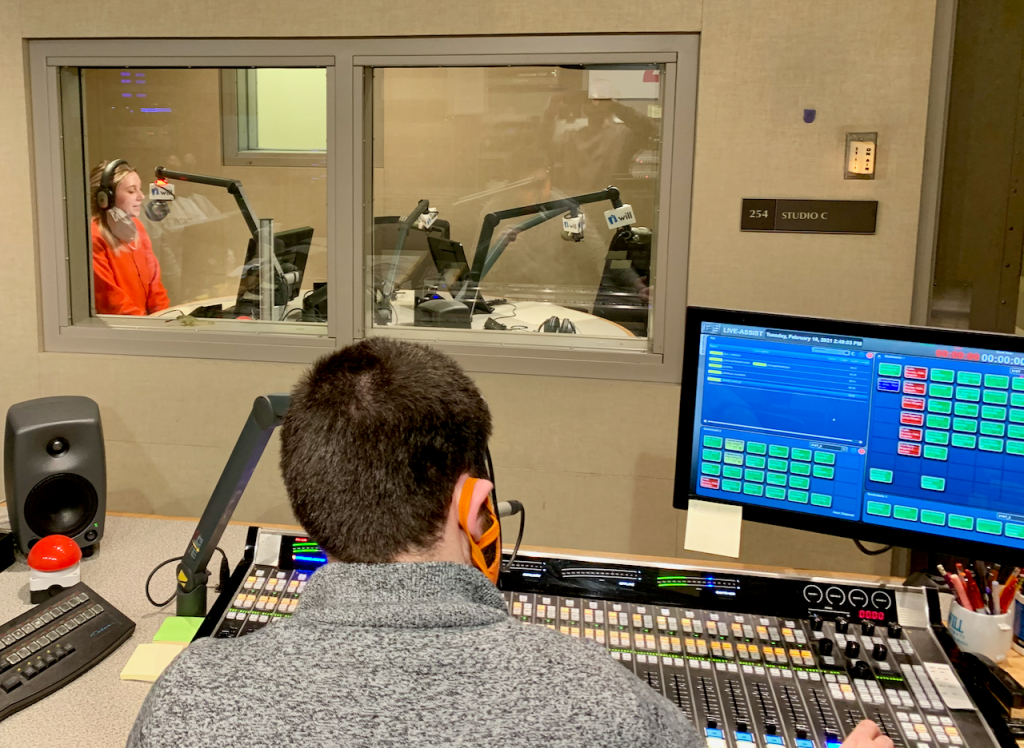
In a new student newsroom adjacent to IPM offices, students collaborate daily with professional audio journalists. The students report, write, interview, anchor and produce everything from breaking news to full podcasts and multimedia packages. They sit in on meetings and help make news-content decisions. In just three years, they have become an integral part of a professional radio newsroom and the news-radio voice of eastern Illinois.
Hired in 2020 as the Illinois College of Media’s first clinical assistant professor in journalism, I was tasked with creating greater connection between student journalists and IPM.
In this environment, students produced hundreds of audio-first multimedia stories. Several won regional or national awards. Our student stories have appeared in the top 20 of the national Hearst audio journalism competition in all three years of our existence, and one student traveled to nationals and captured second place in Hearst’s On-site Audio Championships, earning a combined $15,000 for her and my journalism department.
University of Vermont

I’ve had the privilege of creating not one but two student media programs, starting at the University of Vermont, where I was hired as the first full-time multimedia adviser of The Vermont Cynic newspaper, WRUV-FM and UVMtv. When I left the position in 2020 after 14 years, my students shared their experiences working with me. I hope it gives a sense of how I value the students and work to help them achieve their goals.

UVM created my position to rehabilitate The Cynic, a 123-year-old newspaper that had suffered years of neglect. Before my arrival, editors printed opinion on every page, plagiarized and mismanaged funds. An equally urgent leadership crisis existed at WRUV-FM, where students had abdicated their leadership role to a controlling group of non-student DJ volunteers.
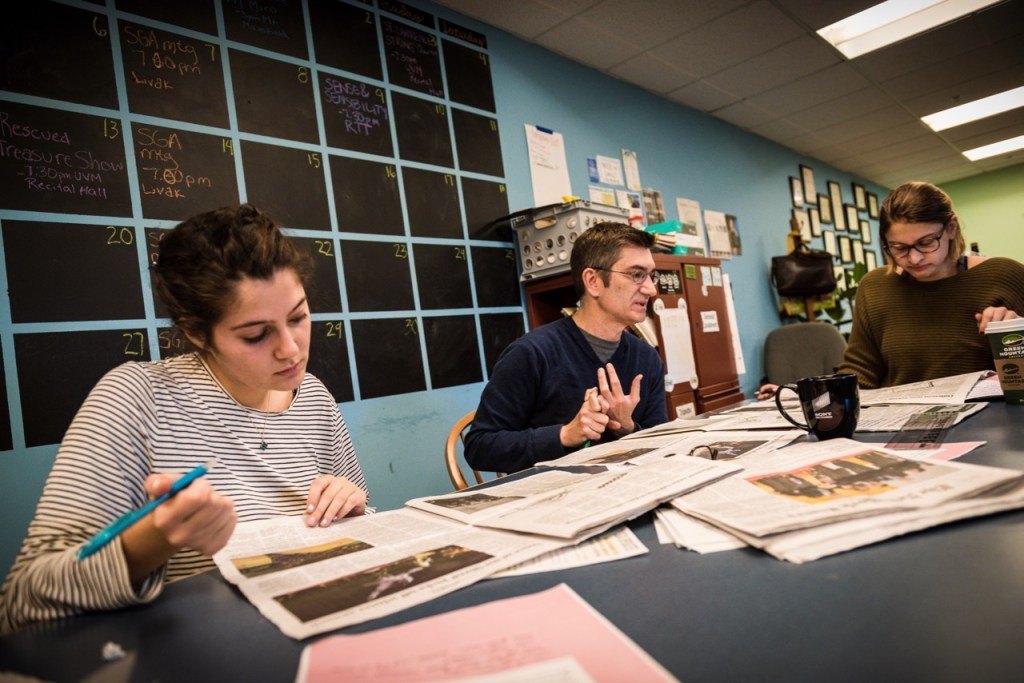
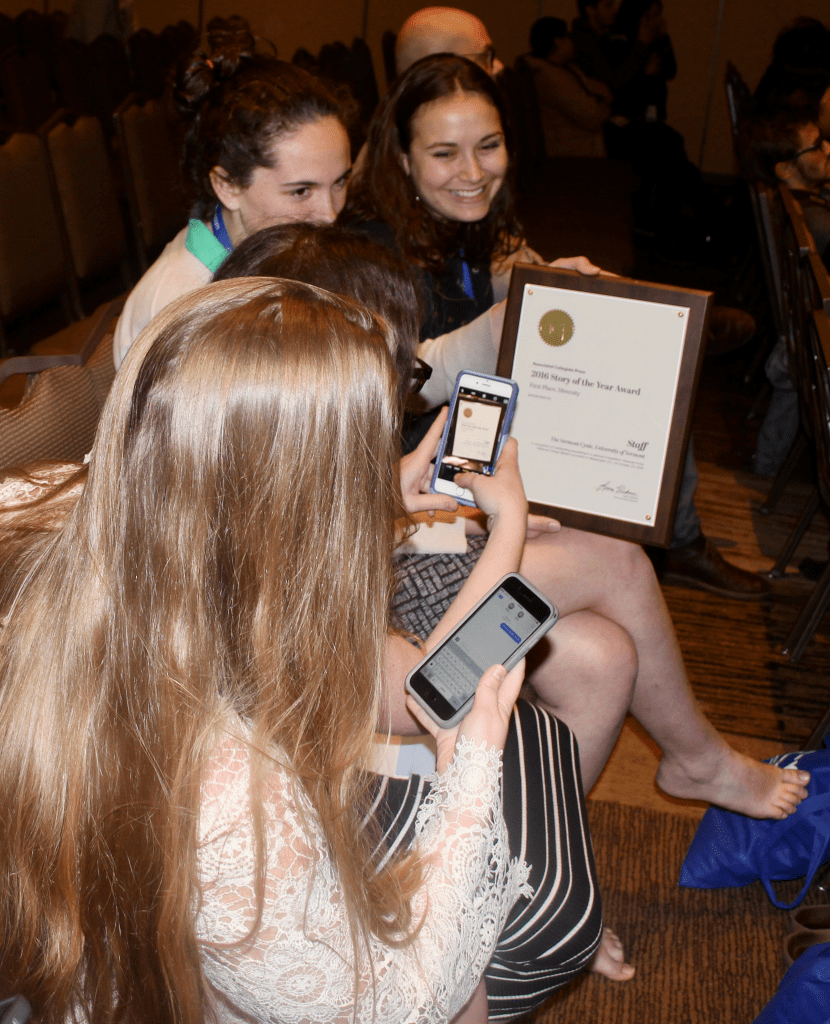
In the years I advised UVM student media, the Cynic won numerous awards for investigative journalism and diversity coverage, including Pacemakers for both online and print versions—one year becoming the only paper without a formal journalism program to win its category—and over time won Story of the Year and Diversity Story of the Year. Finances stayed consistently in the black.
My proudest accomplishments come from successes in the areas of diversity and leadership. After some hard conversations about sexism in the newsroom, Cynic staffers elected their first female editor-in-chief in a decade, and several more since. Diversity trainings viewed through a social justice lens started with me but soon became a core part of student-led efforts to diversify and strengthen their organizations so they would serve all communities.
On the broadcast side, WRUV students showed grit and wrested control of the station from those non-students, and became dynamic, thoughtful leaders in the process. At UVMtv, an energized crew tripled their membership base.
Our media students consistently went on to land stellar internships and jobs at the likes of WIRED, USA Today, Apple, The Jerusalem Post, The New England Center for Investigative Reporting, Good Morning America and The Boston Globe.
Valencia Community College
Having come through the University of Kansas student newsroom as an undergrad, I was thrilled when Valencia Community College in Orlando “gave me my own newsroom.”
My time at Valencia helped me understand what it really meant to be an adviser, and I realized, in the trial by fire that is every professional adviser’s first year or two that I shouldn’t for an instant think of the newsroom as my own.
The newsroom belongs to the students. It’s their home during an educational journey that starts and ends with them.
My place was to teach, to guide, to support the students and to get them to question their own thinking. But the adviser is only a small part of equation, right alongside the students’ peers, readers, sources, critics and more.
Most of my Valencia students were the first in their families to enter college. Many doubted they could graduate. But in the newsroom, they saw potential in one another and in themselves. Students who showed promise advanced to leadership roles.
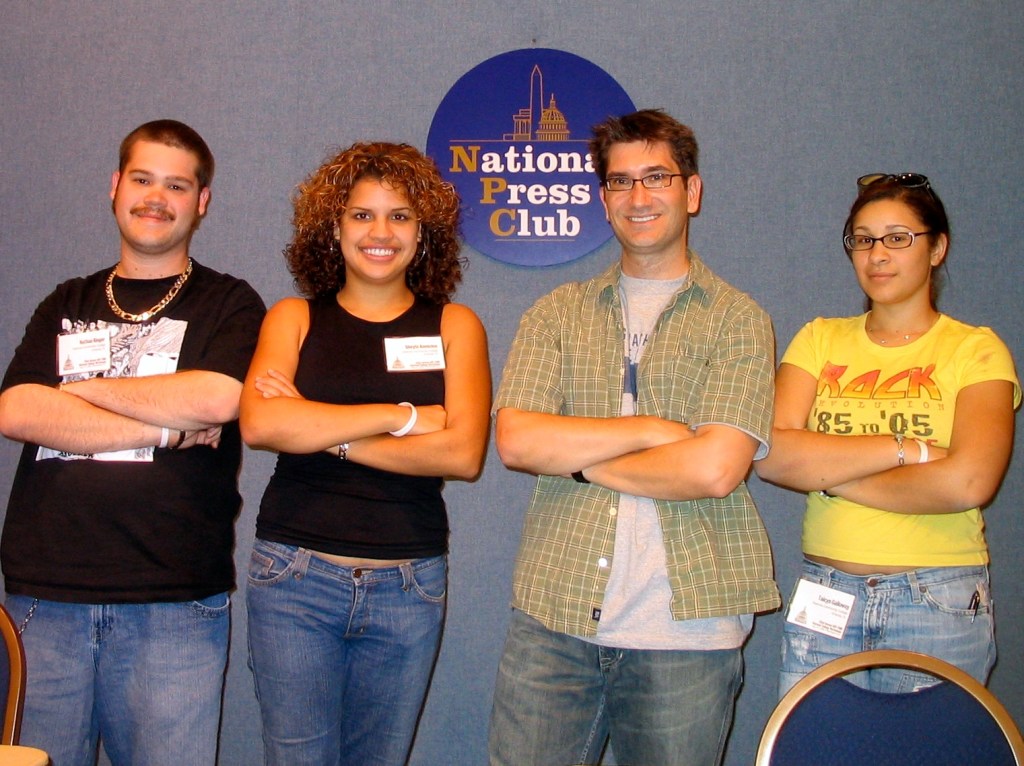
Often they succeeded beyond their own expectations.
One middle-aged daughter of longtime Disney World character performers gained entry into the Ivy League at Columbia University in NYC. A single mother in her 20s took a job in our business department to earn money, rose to the position of ad manager, and eventually completed her journey from the working class to the middle class. Students transferred to four-year colleges and continued on to become journalists and lobbyists and lawyers.
It was in the community college newsroom that these students became a team and coached one another along to greater things. It was my privilege to help facilitate the journey.
Chris Evans shaped a generation of Vermont journalists, and we’ll never forget that … shaped us into leaders, and just thoughtful, well-rounded human beings.
Aviva Loeb, engagement editor, The Washington Post
 Chris Evans